SHA CEO discusses using PBVs for Supportive Housing Development and applying the DG3 Repositioning Study to help achieve SHA’s Roadmap 2030 development goal
SANFORD, NC, UNITED STATES, January 26, 2026 /EINPresswire.com/ — The North Carolina Housing Authority Directors Association (NCHADA) brought together housing leaders from across the state on Monday, September 15, 2025, for a forward-looking discussion on mental health, supportive housing, and HUD’s evolving regulatory landscape. Held under the theme “When Tomorrow Comes: The Ever Changing World of HUD,” the session focused on how Public Housing Authorities (PHAs) can strengthen partnerships to better support residents with complex and interrelated needs.
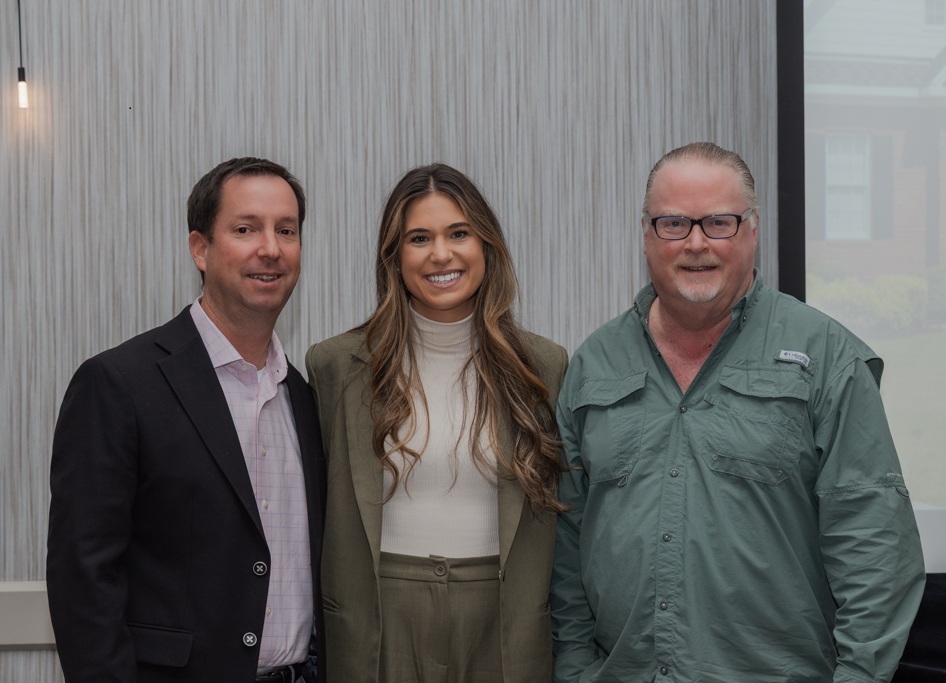
The panel, “Strengthening Partnerships Between PHAs and LME/MCOs,” featured two leaders working at the intersection of housing and behavioral health: Amy Modlin, Head of Housing at Trillium Health Resources, and Dr. Michael C. Threatt, CEO of the Sanford Housing Authority (SHA). Together, they explored how PHAs and Local Management Entities/Managed Care Organizations (LME/MCOs) can collaborate more effectively to ensure long-term stability, supportive services, and equitable access to affordable housing.
In addition to its partnership with Trillium Health Resources, SHA has expanded its network of mental health and substance use service providers by working with The Place to Heal, Life Springs Dream and Restoration Centers, and Alliance Health, reinforcing SHA’s systemwide commitment to comprehensive resident support.
Housing and Behavioral Health: A Coordinated Approach
Both Modlin and Dr. Threatt emphasized that housing and behavioral health must be closely aligned to achieve meaningful outcomes for vulnerable individuals and families. As HUD increasingly prioritizes cross-sector coordination, PHAs are playing a larger role in stabilizing residents who require both affordable housing and wraparound services.
Dr. Threatt stressed that safe, stable housing is the foundation for wellness and upward mobility. Stronger partnerships between PHAs and LME/MCOs, he explained, create clearer referral pathways, more coordinated care strategies, and more effective responses to mental health challenges, chronic homelessness, and crises that jeopardize housing stability.
Modlin added that PHAs serve as essential partners within the behavioral health ecosystem. Through shared data, integrated case planning, and regular communication between housing authorities and managed care organizations, residents receive timely, appropriate services. As HUD policies evolve, the panel underscored the importance of service integration, trauma-informed operations, and resident-centered practices.
SHA’s Supportive Housing Vision: A Case Management Village Model
Dr. Threatt provided an update on SHA’s supportive housing expansion, highlighting the recent renaming of 226 Linden Avenue as Hope W. White Village. The redevelopment of the once vacant property marks an important local milestone, transforming the site into a stable, permanent housing community for individuals and families experiencing homelessness or severe instability.
Designed intentionally as permanent supportive housing rather than transitional lodging, the property reflects the collaborative efforts of local government, state partners, nonprofit organizations, and community stakeholders.
However, Dr. Threatt also identified operational gaps when he assumed leadership. Unlike other SHA developments, 226 Linden Avenue lacked an established name, and the nonprofit affiliate, Central Carolina Strategic Developers (CCSD), was not following the Tenant Selection Plan (TSP), specifically its case management requirements. Additionally, there was no property management agreement in place.
These issues came to light when Dr. Threatt served as the Hearing Officer in an informal hearing for a resident and discovered that SHA was not fulfilling its role as the Contract Administrator. Oversight of the waiting list, referrals from the partnership with S3 Housing Connect, and formal agreements, such as MOUs, were all missing, despite the property having received Supportive Housing Development funds from the NC Housing Finance Agency (NCHFA).
To address these gaps and rebuild the service framework, SHA launched its Case Management Village model at Hope W. White Village.
“Our Case Management Village model ensures that each household has supportive housing through a coordinated team consisting of a Housing Specialist, Resident Services Coordinator, and Asset Manager,” said Dr. Michael C. Threatt, CEO of the Sanford Housing Authority.
Together, they provide stabilization services, financial coaching, crisis intervention, and connections to health and behavioral health resources. This model reduces fragmentation, removes barriers to care, and helps residents maintain long-term housing stability.
The Case Management Village approach also highlights the effectiveness of Project-Based Vouchers (PBVs) in creating Permanent Supportive Housing. When paired with strong case management and community partnerships, PBVs become a powerful tool for helping residents achieve stability, independence, and long-term wellness.
System-Wide Repositioning Through DG3’s Comprehensive Analysis
Looking ahead, Dr. Threatt outlined SHA’s plan to conduct a comprehensive Repositioning and Real Estate Development Analysis in collaboration with DG3, a national expert in due diligence, environmental reviews, feasibility assessments, and HUD repositioning strategies. This study will guide SHA through a full evaluation of its portfolio, including public housing units, RAD PBV properties, Faircloth units, and undeveloped land assets.
The analysis will help SHA determine which repositioning tools, such as RAD, Section 18 Blend, Faircloth to RAD conversions, or mixed finance development, best support long-term financial sustainability. It will also help the SHA prepare for Operating Fund budget cuts and nationwide Capital Fund Program reductions.
The resulting Strategic Real Estate Development Plan will serve as SHA’s roadmap for modernization, funding diversification, and risk reduction. It will also guide decisions regarding the 19 remaining Faircloth units, ensuring redevelopment strategies align with market conditions, financial modeling, and community needs. This will help SHA maximize its nonprofit affiliate, CCSD, and achieve the Roadmap 2030 Development Goal.
Homelessness Funding and Point in Time (PIT) Count Transformational Leadership
Beyond his role as CEO of SHA, Dr. Threatt serves on the 2026 Project Review Committee for the NC Balance of State Continuum of Care (CoC), helping evaluate homelessness program applications and statewide funding priorities. His participation deepens SHA’s involvement in state-level homelessness initiatives and informs the agency’s long-term planning.
Dr. Threatt’s program administration experience as COO at the Dothan Housing Authority (DHA), leading the SouthEast Alabama Coalition for Homelessness (SEACH) to become a new CoC will be a great asset to the scoring committee for the NC Balance of State.
SHA is also preparing to participate in the annual PIT Count for the first time, in collaboration with S3 Housing Connect, local shelters, and community partners. The PIT Count will provide critical data to guide homelessness response efforts, resource coordination, and policy decisions at both local and regional levels.
Karoll Kuri
Sanford Housing Authority
+1 919-776-7655
email us here
Visit us on social media:
LinkedIn
YouTube
Instagram
Facebook
Other
Impact through Collaboration
Legal Disclaimer:
EIN Presswire provides this news content “as is” without warranty of any kind. We do not accept any responsibility or liability
for the accuracy, content, images, videos, licenses, completeness, legality, or reliability of the information contained in this
article. If you have any complaints or copyright issues related to this article, kindly contact the author above.